
AIIMS Patna’s Prof. Veena Singh Receives IMA National Award
Patna: In a moment of pride for All India Institute of Medical Sciences Patna, Professor...
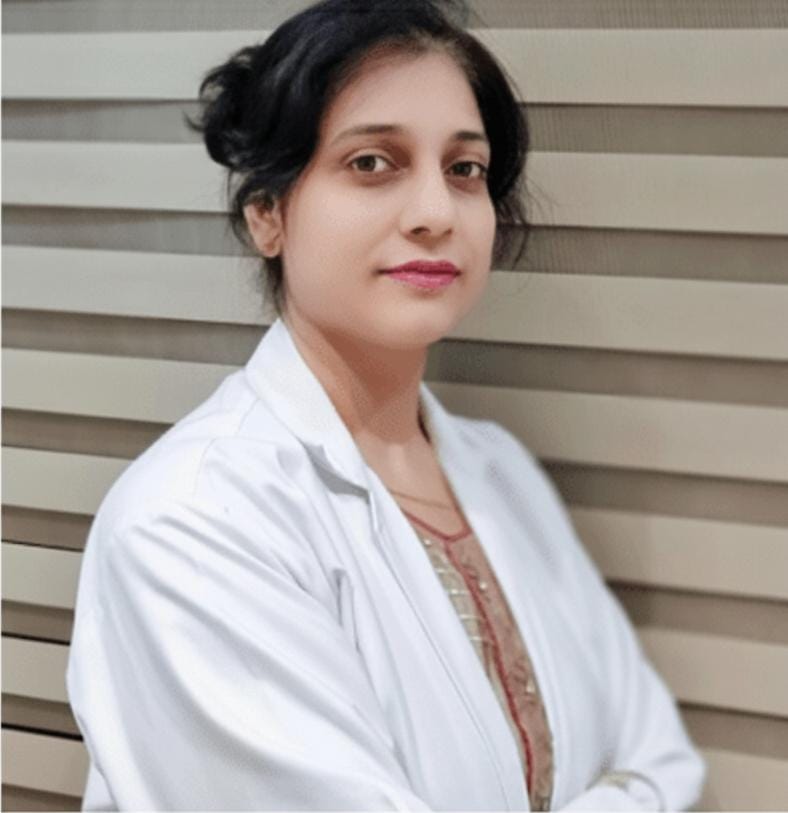
With late marriages becoming more common across India, doctors are warning couples not to delay pregnancy, especially after the age of 30 when fertility naturally declines. Gynecologist Dr. Varuni Sharma Shukla says many couples underestimate how quickly fertility drops and urges those marrying after 30 to plan parenthood sooner.
Marriages happening later than ever — especially in cities and even smaller towns — doctors are seeing a clear impact on fertility. Gynecologist and IVF specialist Dr. Varuni Sharma Shukla says many couples still don’t realize how quickly fertility drops after the age of 30.
She explains that couples who marry in their 20s naturally have a wider and healthier fertility window. “But once you enter your 30s, the body starts changing. The window becomes shorter for many people, so it’s wiser to try for a baby sooner rather than waiting for several years,” she advises. Dr. Shukla also suggests that couples marrying after 30 should ideally start planning a pregnancy within a few months.
She warns that if a couple is having regular intimacy for a year without conceiving, they should visit a gynecologist immediately. “Waiting endlessly or ignoring the issue only makes it harder later,” she says. Lifestyle-related problems such as PCOS, thyroid issues, hormonal imbalance, and declining sperm quality have become increasingly common because of stress, late-night schedules, and unhealthy habits.
At the same time, Dr. Shukla points out that fertility science is far more advanced today. “People know about IVF and IUI, but there are even better options available now. Success rates have improved a lot. The earlier a couple seeks help, the better their chances,” she adds.
Her advice comes at a crucial time. The World Health Organization (WHO) has, for the first time in history, declared infertility a global public health priority. WHO says that infertility now affects one in every six adults of reproductive age, yet in most countries it is still seen as a private matter. Treatment also remains expensive and out of reach for many.
The new WHO guidelines focus on improving early diagnosis, prevention, and treatment. They call for affordable fertility care, equal testing for both men and women, and the inclusion of reproductive services in national health schemes and insurance coverage. WHO also stresses that schools should teach basic reproductive health to young people so that they understand fertility, avoid myths, and adopt healthier lifestyles early.
The organization highlights that infertility brings emotional struggles too — anxiety, depression, guilt, and social pressure — making mental health support essential throughout treatment.
In India, IVF is growing rapidly but remains costly, with each cycle costing between ₹80,000 and ₹3,00,000. Most patients pay this amount from their own pocket, making treatment difficult for rural and low-income couples. WHO’s new guidelines suggest important steps for India, such as including fertility treatments under Ayushman Bharat, creating specialized fertility units in government hospitals, and adding reproductive health education in schools and primary health centers.
As late marriages continue to rise, doctors and global health experts agree on one thing: timely planning and early medical guidance can make a big difference for couples hoping to become parents.
0 Comments
No comments yet. Be the first to comment!